
Investing in precious metals has long been a favored strategy for those seeking to preserve wealth, seeking diversification and capitalize on economic fluctuations. Gold and silver, in particular, have attracted investors for centuries due to their intrinsic value and role as safe-haven assets. Over time, many investors have developed specific strategies focused on these metals, leveraging market trends and historical cycles to maximize returns.
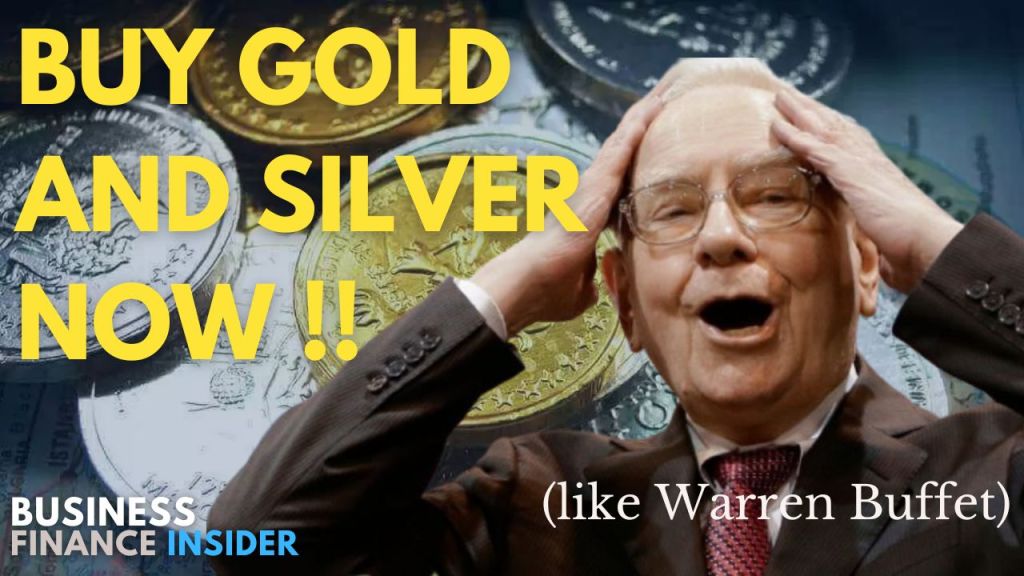
The Case for Gold Investments
Gold has been a cornerstone of wealth preservation for centuries. It has historically served as a hedge against inflation, currency devaluation, and economic uncertainty. Investors often turn to gold during financial crises, as its value tends to remain stable or even appreciate when other asset classes falter.
One of the primary reasons investors favor gold is its limited supply. Unlike fiat currency, which can be printed in unlimited quantities, gold is a finite resource, making it inherently valuable. Central banks around the world also hold significant reserves of gold, further reinforcing its status as a critical financial asset.
Gold investment strategies vary. Some investors prefer to hold physical gold in the form of bullion, coins, or bars, ensuring direct ownership and protection against counterparty risks. Others opt for gold exchange-traded funds (ETFs), which provide exposure to the metal’s price movements without the need for storage. Additionally, gold mining stocks offer another avenue for investment, allowing investors to benefit from the profitability of mining companies rather than the direct price of gold.
Central Banks Are Buying Gold Like There’s No Tomorrow
One of the biggest drivers behind gold’s surge is central bank buying. These institutions are stocking up on gold at an unprecedented rate. China, in particular, has been on a gold shopping spree, snatching up vast reserves as a hedge against economic uncertainty. But they’re not alone. Countries around the world are increasingly seeing gold as a safe haven, a bulwark against the looming risks of inflation and geopolitical tensions.
The U.S. Debt Problem: A Ticking Time Bomb
One of the biggest reasons gold remains a crucial asset is simple: the United States is drowning in debt. No matter who’s in the White House, no one seems willing or able to stop the runaway spending. The national debt is now so large that even small increases in interest rates make servicing it a nightmare.
This is where the illusion of economic stability starts to crack. The U.S. government is essentially running on borrowed time, borrowing more money to pay off old debt in a never-ending cycle. This kind of financial house of cards doesn’t last forever. When confidence in the system starts to waver, gold will be one of the few assets left standing.
The Dollar Is Fast Losing Purchasing Power
Even if inflation numbers seem moderate on paper, the reality is that the dollar is losing its purchasing power at an alarming rate. Over the past four years, cumulative inflation has eaten away at the real value of money. If you had $100 in savings four years ago, its purchasing power today is significantly weaker.
This erosion of value is exactly why central banks and savvy investors are flocking to gold. Unlike fiat currency, gold holds its value over time. When people finally wake up to the true extent of the dollar’s decline, demand for gold and gold stocks will likely explode.
Silver’s Potential as an Investment
While gold often takes the spotlight, silver has also proven to be an excellent investment option. Silver shares many characteristics with gold, including its role as a store of value and hedge against economic instability. However, silver also possesses unique attributes that make it a compelling investment opportunity.
One of silver’s key advantages is its dual role as both a monetary and industrial metal. A significant portion of silver demand comes from industries such as electronics, solar energy, and medical applications. As global technological advancements continue, industrial demand for silver is expected to rise, potentially driving up its value.
Another important factor in silver investing is its price volatility. Historically, silver has exhibited more price swings than gold, making it an attractive option for those seeking higher returns. While this volatility can pose risks, it also presents opportunities for traders and investors who can navigate market fluctuations effectively. It’s interesting to note that while gold prices has risen 56-74.5% in 2025, silver prices has risen 130% to over 160% in 2025.
Investors interested in silver can explore several avenues, including physical silver ownership, silver ETFs, and silver mining stocks. Each option carries distinct benefits and risks, requiring investors to align their choices with their financial goals and risk tolerance.
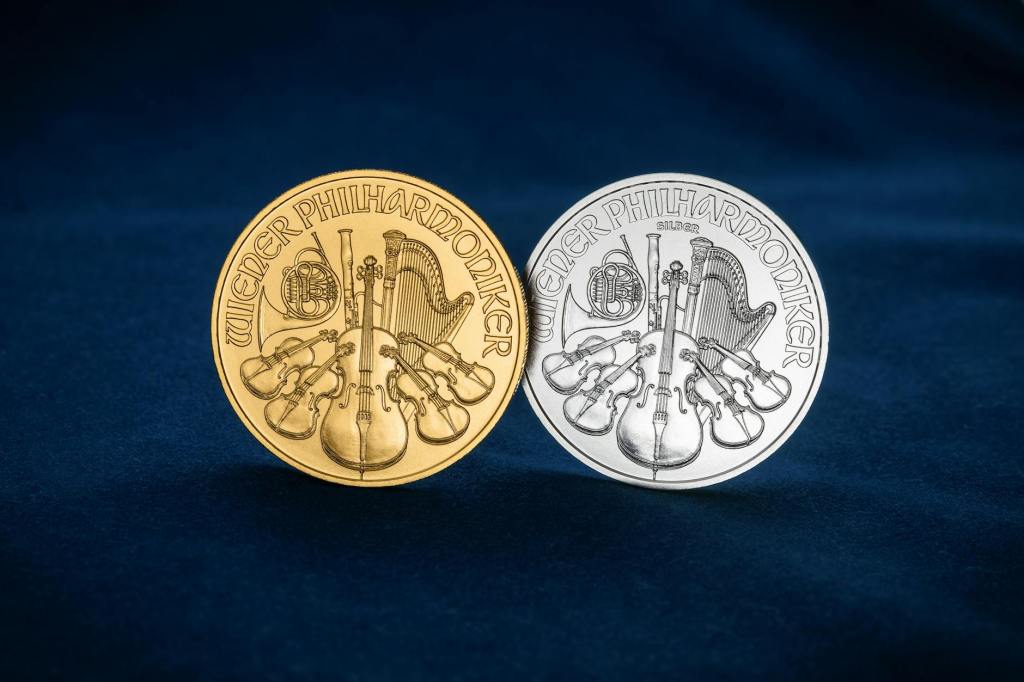
Silver’s Big Moment: Is Warren Buffett’s Billion-Dollar Signal Flashing Again?
If there’s one thing we’ve learned from Warren Buffett over the years, it’s that he doesn’t throw his money around for fun. The man is a legend in the world of investing, and when he makes a move, people pay attention. So, when Buffett made a massive bet on silver decades ago and turned a hefty profit, it’s no surprise that investors are now looking at the market and asking: Could it be happening again?
Silver has always been the quiet, unassuming sibling of gold. It doesn’t get the same level of media hype, and many casual investors overlook it entirely. But right now, silver is making waves, and the signs are eerily similar to the moments when Buffett made his historic silver plays. If history repeats itself, we might be looking at an opportunity of a lifetime. Let’s break it down.
The First Silver Boom: How Buffett Made His Move
Buffett’s first significant investment in silver came in the late 1960s. At the time, silver was quietly building momentum due to a growing industrial deficit, meaning that demand for silver was outpacing its supply. Fast forward a few years, and the price of silver skyrocketed more than 1,000%. Not bad for an investor with patience and an eye for trends.
But that wasn’t the last time Buffett saw potential in silver. In the mid-1990s, he saw the same warning signs flashing again: a growing supply shortage, rising industrial demand, and declining stockpiles. In response, he made a bold move, purchasing 130 million ounces of silver, more than 25% of the world’s annual production. At one point, he controlled nearly a third of the available silver supply. That’s the kind of confidence only someone like Buffett has.
Even though he later admitted he sold too early, Buffett still walked away with a profit of over half a billion dollars. His bet on silver proved that when the fundamentals line up, the market responds in a big way. And right now, those same indicators are flashing again.
The Three Big Indicators: Why Silver Might Be Ready to Surge
So, what did Buffett see that made him so confident? And why are analysts saying we’re in the exact same situation today? It comes down to three key factors:
1. The Silver Deficit Is Growing Fast
A deficit happens when more silver is being consumed than produced, and this has been the case for decades. In the early 1990s, when Buffett stepped in, silver production was running nearly 100 million ounces short of demand every year. By 2001, the cumulative deficit had ballooned to 1.2 billion ounces. It wasn’t until 2006, ironically, the year Buffett sold his holdings, that supply and demand finally reached equilibrium.
But here’s the kicker: Since 2021, that deficit has come roaring back. In fact, the total deficits from 2021 and 2022 completely erased the surpluses from the previous 11 years. The trend isn’t slowing down, either. Analysts predict that silver deficits will continue averaging more than 200 million ounces per year through 2030.
That’s a major supply crunch and one that could send prices soaring.
2. Silver Supply Is Stagnant
Even if demand for silver is rising, shouldn’t miners just ramp up production? Unfortunately, it’s not that simple. Unlike gold, which has a number of dedicated mines around the world, silver is mostly a byproduct of mining for other metals, like copper and lead. Less than 20% of silver production comes from mines that primarily focus on silver.
This means that increasing silver production isn’t just a matter of digging up more silver, it requires higher production in other metals, which doesn’t always align with silver demand. Right now, silver production is actually lower than it was a decade ago, and with the current economic climate, there’s little incentive for mining companies to boost production just for silver’s sake.
3. Stockpiles Are Being Drained
In times of shortages, markets usually turn to stockpiles to make up the difference. But that safety net is quickly disappearing. Since 2021, major silver vaults have been hemorrhaging their reserves. The COMEX, one of the largest silver depositors, has seen a third of its silver holdings withdrawn, about 120 million ounces. Meanwhile, the London Bullion Market Association (LBMA) has lost over 400 million ounces, and in January 2025 alone, it shed another 71 million ounces.
At this rate, analysts predict that LBMA’s vaults could be completely empty by 2028. If that happens, it would set off a supply crisis unlike anything the silver market has seen before.
The X-Factor: A Surging New Demand Driver
Buffett based his silver investments on the three factors above, but today’s market has an additional driver he didn’t have to consider: solar energy.
Silver has long been used in photography, electronics, and jewelry, but in recent years, it has become an essential component of the solar industry. Silver is a critical material in photovoltaic cells, which convert sunlight into energy. As the world shifts toward renewable energy, demand for silver in solar panels is exploding.
Between 2022 and 2024, silver demand for solar energy doubled, increasing from 12% to 23% of the total market. By 2030, analysts expect that 370 million ounces of silver will be needed annually just for solar production.
With supply unable to keep up and stockpiles being drained, this new demand driver could be the final push that sends silver prices soaring.
What This Means for Investors
The last time Buffett made his silver bet, prices rose from around $4.50 per ounce to nearly $50 per ounce over the following years. Silver has risen 130% to 160% and overtaken the previous high to hit a price of $84 as at 12 Jan 2026.
For everyday investors, the opportunity is clear. When supply is shrinking, demand is rising, and history is repeating itself, it’s time to pay attention. Those who understand these market cycles, just like Buffett did, stand to benefit the most.

Final Thoughts: The Silver Playbook
If Buffett were looking at the silver market today, would he make the same move? All signs point to yes. The conditions that made him confident in silver decades ago are back, and now there’s an even stronger demand factor driving prices higher.
For investors, the playbook is simple:
- Understand the fundamentals – silver’s supply and demand dynamics are clear.
- Pay attention to stockpiles – when vaults run dry, prices historically surge.
- Consider new demand sources – solar energy is a game-changer for silver.
Silver might not have the same allure as gold, but in 2025, it might just be the more valuable investment. As Buffett himself has shown, when the fundamentals align, fortunes can be made. The question now is: Who will take advantage of it this time around?
Junior Mining Stocks: A High-Risk, High-Reward Play
Beyond investing in physical metals, many investors seek exposure to the mining sector, particularly junior mining companies. These smaller, exploration-focused firms aim to discover and develop new mineral deposits. While investing in junior miners can be highly speculative, it also presents the potential for significant returns.
Junior mining stocks are considered high-risk due to several factors, including uncertain exploration outcomes, regulatory challenges, and fluctuating commodity prices. However, successful junior miners that make major discoveries can experience exponential growth, delivering substantial gains to early investors.
Investing in junior mining stocks requires careful research and due diligence. Key factors to consider include the company’s management team, financial health, exploration results, and location of mining projects. Additionally, geopolitical stability and regulatory policies in the region where the company operates can impact investment outcomes.
Some investors prefer a diversified approach, spreading their investments across multiple junior mining stocks to mitigate risk. Others take a more targeted approach, focusing on specific companies with promising projects and strong leadership teams.
Timing and Market Cycles
Understanding market cycles is crucial for successful investments in gold, silver, and mining stocks. Historically, these assets have experienced boom-and-bust cycles driven by macroeconomic trends, central bank policies, and shifts in investor sentiment.
Gold and silver prices tend to rise during periods of inflation, currency devaluation, and economic uncertainty. Conversely, when economic conditions stabilize and interest rates rise, precious metals may experience downward pressure. Timing investments to align with these cycles can enhance profitability and minimize downside risks.
Similarly, mining stocks, especially junior miners, are influenced by broader market trends. Bull markets in commodities often lead to increased investor interest in mining stocks, while downturns can result in significant declines. Investors who recognize these patterns and adjust their strategies accordingly can improve their chances of success.
Conclusion
Investing in gold, silver, and junior mining stocks can be a rewarding but complex endeavor. Each asset class offers unique advantages and risks, requiring investors to carefully assess their strategies and market conditions. Gold remains a reliable safe-haven asset, silver presents additional industrial demand potential, and junior mining stocks offer high-risk, high-reward opportunities. By understanding market cycles, conducting thorough research, and diversifying appropriately, investors can position themselves to capitalize on the dynamic world of precious metals investing.
Despite the substantial rise in gold and silver prices over the past year, both precious metals remained good investment choices as hedging assets as well as further price upside over the long term given its scarce supply.
Related video: https://rumble.com/v6zpj8q-the-case-fro-buying-gold-and-silver.html
 Business Finance Insider
Leave a comment